





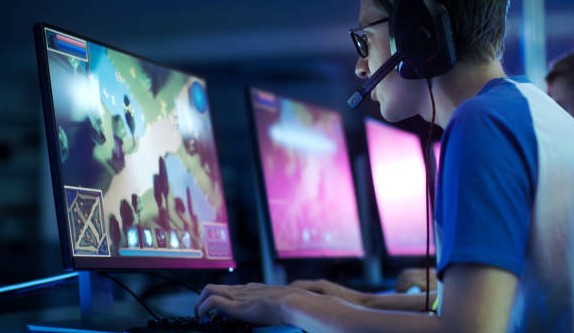
Online gaming offers entertainment, competition, creativity, and social connection on a scale that traditional games could rarely provide. Players can join global communities, cooperate with friends, explore constantly updated worlds, and participate from almost any connected device.
These opportunities also come with risks. Account theft, privacy problems, harmful communication, impulsive spending, and excessive play can weaken an otherwise enjoyable experience. Safety and balance are therefore not separate from good online gaming. They are essential conditions for making it sustainable.
For gaming enthusiasts, the goal is not to remove excitement. It is to enjoy online games while maintaining control over personal information, money, time, and wellbeing.
Account Safety Protects the Entire Experience
An online slot gaming account may contain personal details, saved payment methods, digital purchases, private messages, achievement histories, and valuable in-game items. If someone gains unauthorised access, the consequences can extend beyond losing progress.
Strong account protection begins with a unique password. Reusing the same password across gaming, email, shopping, and social platforms creates unnecessary risk. If one service is compromised, attackers may test the exposed credentials elsewhere.
Multi-factor authentication adds another layer of protection by requiring additional verification. The email account connected to the gaming profile should receive the same attention because it may control password resets and security alerts.
Players should also be cautious about unofficial downloads, free-item offers, account-trading services, and messages asking for login codes. A reward that requires handing over account credentials is not a legitimate reward.
Privacy Settings Deserve Careful Attention
Online games can collect information about devices, locations, purchases, contacts, communication, and playing behaviour. Some of this information supports matchmaking, security, payments, and game performance, but players should still understand what is being collected.
Privacy controls can determine who sees a profile, sends messages, views activity, or issues invitations. Leaving every setting public may expose more information than necessary.
Usernames should not reveal a full name, birth year, school, employer, or location. Players should also avoid sharing personal photographs, phone numbers, home addresses, financial information, or travel plans through game chats.
Privacy becomes particularly important in communities where players regularly communicate with strangers. A familiar username may feel like a close friend, but an online identity does not confirm who the person is outside the game.
Community Safety Supports Positive Social Play
Multiplayer gaming can create genuine friendships and strong communities. Cooperative missions encourage teamwork, while guilds, clans, and player groups can give participants a sense of belonging.
However, social features can also expose players to harassment, scams, hate speech, manipulation, and unwanted contact. Effective platforms should provide visible reporting tools, blocking functions, chat controls, privacy settings, and consistent moderation.
Players should report serious misconduct rather than repeatedly engaging with it. Arguments can escalate quickly, particularly in competitive games where frustration is already high.
Muting or blocking someone is not an admission of defeat. It is a practical way to protect the experience. Gaming communities work best when participation does not require tolerating abuse.
Financial Balance Prevents Impulsive Spending
Modern online games may sell virtual currency, cosmetic items, season passes, upgrades, randomised rewards, or access to special events. Individual purchases can appear inexpensive, but repeated transactions may become difficult to track.
Virtual currencies can make spending feel less immediate because prices are not always displayed in ordinary money. Limited-time offers can also create pressure by suggesting that an opportunity will disappear unless the player acts quickly.
A useful approach is to set a gaming budget before opening the store. Purchase histories should be reviewed regularly, and payment confirmations should remain enabled. Removing saved payment methods can create a helpful pause between interest and spending.
Players should evaluate digital purchases according to enjoyment and affordability, not social pressure. An item does not become necessary simply because friends, teammates, or popular creators own it.
Time Balance Matters More Than Raw Hours
There is no universal number of gaming hours that suits every person. The more useful question is whether gaming is consistently replacing important parts of life.
Online play becomes unbalanced when it regularly interferes with sleep, work, education, exercise, meals, relationships, or basic responsibilities. Long sessions may occasionally be harmless, especially during weekends or special events, but repeated disruption deserves attention.
Games often make stopping difficult through ranked progress, daily missions, social commitments, and limited-time rewards. Multiplayer matches may also lack convenient exit points.
Setting a session limit before playing is more effective than deciding during an exciting match. Players can also use natural stopping points, such as the end of a round, mission, or tournament stage.
Regular breaks help reduce physical discomfort and restore perspective. Standing, stretching, drinking water, and looking away from the screen can make longer sessions more comfortable.
Emotional Balance Influences Decision-Making
Competition can produce excitement, frustration, disappointment, and anger. These reactions are normal, but they can influence behaviour.
A player who continues after several frustrating losses may take unnecessary risks, argue with teammates, or spend money impulsively. In chance-based games, losses may also encourage attempts to recover money through continued play.
Recognising emotional changes is an important form of self-management. Irritation, rushed decisions, and the feeling of being unable to stop can signal that it is time to pause.
Gaming should provide entertainment, not become the only way to avoid stress or regulate mood. When play repeatedly creates more distress than enjoyment, stepping back is a sensible response rather than a failure.
Platforms Share Responsibility
Players are not solely responsible for safety and balance. Gaming companies design the systems that influence communication, spending, privacy, and time.
Responsible platforms provide secure authentication, transparent purchase information, accessible account histories, effective moderation, parental controls, spending limits, play reminders, and clear support channels.
They should also avoid designs that hide costs, confuse players about outcomes, or make account restrictions unnecessarily difficult to use. Safety tools are most effective when they are easy to find and understand.
Final Thoughts
Safety and balance allow players to enjoy online gaming without giving up control. Secure accounts protect personal and digital assets. Privacy settings reduce unnecessary exposure. Moderation supports healthier communities, while financial and time limits prevent entertainment from affecting essential responsibilities. The strongest gaming experience is not necessarily the one that demands the most attention. It is the one that remains enjoyable while respecting the player’s security, money, relationships, and well-being. For gaming enthusiasts, playing safely does not reduce excitement. It creates the stability needed to keep gaming enjoyable over the long term.





Leave a comment