





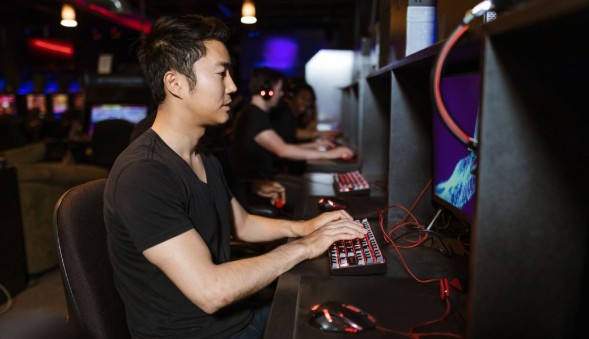
Have you noticed how online gaming has transformed from a niche hobby into something almost everyone participates in, regardless of age or background? What started as simple pixelated games on personal computers has evolved into a massive cultural force that shapes how millions of people spend their free time. The shift happened gradually, but the numbers tell an undeniable story: online gaming is now the most participatory form of entertainment on the internet.
The reason for this explosive growth goes beyond just better graphics or faster internet speeds. Online gaming succeeded because it tapped into something fundamental about human nature: the desire to connect, compete, and collaborate with others. Unlike passive entertainment like watching television or streaming videos, gaming requires active participation. Players make decisions, solve problems, and interact with real people in real time, creating an experience that feels more personal and rewarding.
Understanding how online gaming reached this dominant position requires looking at the technological advances, social factors, and accessibility improvements that made it possible. Each piece of this puzzle contributed to building an entertainment space where billions of people now spend significant portions of their time.
The Technology That Made It All Possible
Without the right technological foundation, online gaming simply would not exist at the scale we see today.
Internet Infrastructure And Speed
The early internet moved at a crawl compared to today’s standards. Dial-up connections made real-time multiplayer gaming nearly impossible, as lag and disconnections plagued every session. When broadband became mainstream in the early 2000s, everything changed. Faster connections meant smoother gameplay, more responsive controls, and the ability to support hundreds or thousands of players in the same virtual space simultaneously. This technological leap removed the biggest barrier to participation.
Hardware Advancements
Gaming hardware improved at an incredible pace. Personal computers became more powerful, graphics processing units advanced dramatically, and gaming consoles emerged as dedicated devices optimized for performance. Mobile devices added another dimension entirely, allowing people to play anywhere, anytime. The hoki22 login systems that emerged alongside these devices show how gaming platforms adapted to serve different audiences and preferences across multiple hardware types.
Game Development Tools
Better development tools and engines made it easier for creators to build complex online games. This democratization of game creation meant more people could contribute to the industry, leading to greater variety and innovation in what games offered players.
Social Connection As The Real Draw
Technology alone does not explain why online gaming became so participatory. The real magic lies in how it facilitates human connection.
Playing Together Across Distances
Online gaming allows people separated by thousands of miles to play together in real time. Friends who moved to different cities could maintain their gaming relationships. Strangers from different countries could team up toward common goals. This connectivity transformed gaming from a solitary activity into a social experience comparable to hanging out with friends in person, just in a digital space.
Building Communities And Friendships
Games create natural gathering places where people with shared interests meet regularly. These communities develop their own cultures, inside jokes, and social hierarchies. Many players report that their closest friendships began in online games. The bonds formed through cooperative gameplay and shared challenges run surprisingly deep, creating loyalty that keeps people coming back.
Competitive And Cooperative Play
Online games satisfy different social needs simultaneously. Some players crave competition, testing their skills against others in ranked matches and tournaments. Others prefer cooperation, working together with teammates to overcome challenges. This flexibility means games appeal to people with vastly different personality types and preferences, expanding the potential audience significantly.
Accessibility Transformed The Participant Base
Gaming became truly participatory when it stopped being exclusive to a specific demographic.
Lowering The Cost Barrier
Early gaming required expensive hardware and software purchases. Free-to-play models changed this equation entirely. Players could download and start playing without spending money upfront, removing a major obstacle to entry. This business model opened gaming to people who could never have afforded traditional games, instantly expanding the potential audience by millions.
Simplifying The Learning Curve
Modern games offer adjustable difficulty settings, helpful tutorials, and accessibility features that accommodate different skill levels and physical abilities. New players can start at their own pace without feeling overwhelmed. This inclusive design philosophy meant that gaming was no longer reserved for dedicated enthusiasts with years of experience.
Mobile Gaming’s Role
Smartphones put gaming in the pockets of nearly everyone on the planet. Mobile games require no special hardware beyond a device most people already owned. They could be played during lunch breaks, commutes, or while relaxing at home. This ubiquity transformed gaming from something you did at a dedicated gaming station into something you could do anytime, anywhere.
Content Variety Keeps People Invested
The diversity of gaming experiences available today ensures there is something for everyone.
Genre Diversity
Players can choose from countless genres: action games, strategy games, role-playing games, puzzle games, sports simulations, and hybrid experiences that blend multiple styles. This variety means that people with completely different interests can all find something they enjoy, contributing to gaming’s broad appeal.
Regular Content Updates
Modern online games receive constant updates with new features, maps, characters, and storylines. This ongoing content keeps games fresh and gives players reasons to return regularly. The live service model ensures that games remain relevant long after their initial release, maintaining engagement across years rather than weeks.
The Participatory Nature Sets Gaming Apart
Online gaming stands apart from other internet entertainment because it demands active involvement rather than passive consumption. When you watch a video, you are a spectator. When you play a game, you are the protagonist making decisions that directly affect the outcome. This fundamental difference explains why gaming has become more participatory than any other digital entertainment form.
The combination of accessible technology, genuine social connection, low barriers to entry, and endless content variety created the perfect conditions for online gaming to become the internet’s most participatory entertainment space. As technology continues advancing and game design becomes more sophisticated, this trend shows no signs of slowing down. Online gaming has fundamentally changed how people spend their leisure time and connect with others, cementing its position as the dominant participatory entertainment medium of our era.






Leave a comment